Usted está aquí
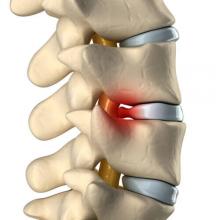
Recurrent lumbar disc prolapse, causative factors and outcome in bangladeshi people
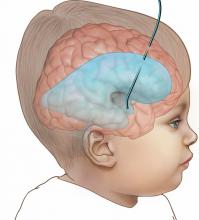
Hydrocephalus in pediatric population. Experience in the Neurosurgery Department of the Baca Ortiz Pediatric Hospital, Quito-Ecuador, 2016-2019
Vertebral hydatidosis: case report
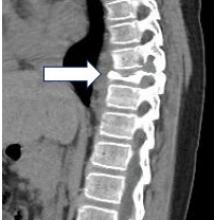
Langerhans cells histiocytosis in the dorsal spine in a pediatric patient
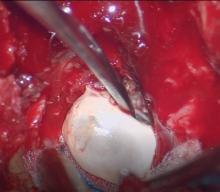
Successful management of ruptured cavernous malformation of the pons
Experience in the surgical treatment of pituitary adenomas at the Guillermo Almenara Hospital in 2019-2020
Pituitary adenomas constitute 25% of the primary benign neoplasms of the brain and can be functional or non-functional, or depending on their size they can be microadenomas, macroadenomas, and giant adenomas. They are mainly treated by surgery using the either transcranial or transsphenoidal approach. We show the experience in the surgical treatment of pituitary adenomas in the Guillermo Almenara National Hospital from January 2019 to May 2020.
Malfunction of the valvular shunting system in children. Experience in the Neurosurgery Department of the Baca Ortiz Pediatric Hospital, Quito-Ecuador, 2016-2019
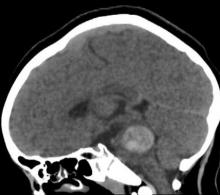
Embolization of ruptured giant aneurysm of the medium cerebral artery followed by surgical evacuation of intracerebral hematoma
Early endovascular therapy of a ruptured giant aneurysm associated with intracerebral hematoma avoids the need for clipping of the aneurysm, thereby avoiding the need for greater brain retraction, edema, transient clipping, as well as the possibility of intraoperative rupture, thus achieving timely and adequate management of this pathology.
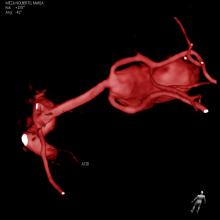
Successful endovascular management of a ruptured cerebral aneurysm in an infant patient
Cerebral aneurysms in pediatric age are rare. In early childhood, they appear before the age of 2 years and are related to a high incidence of injuries along the middle cerebral artery, in its distal part, and in the vertebrobasilar system. The etiology can be idiopathic, traumatic, and fungal. Aneurysm obliteration should be as early as possible in patients with low surgical risk.